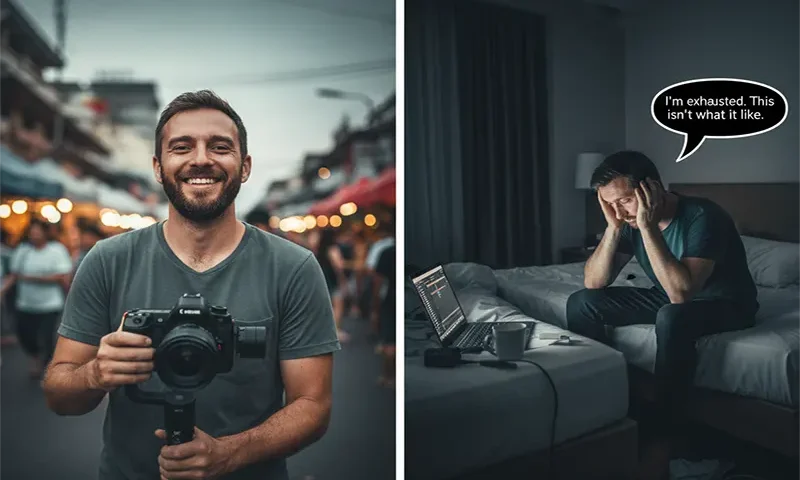
Unfiltered travel vlogger stories about burnout and mental health

In 2026, the travel vlogging industry has reached its “Great Recalibration.” After a decade of the “hustle-and-wander” culture, the gold-leafed frame has cracked. We are seeing a surge of high-profile creators “going dark” or pivoting to “Slow-mading” as the psychological cost of living for the lens becomes too heavy to ignore.

1. The Performance Paradox: Smiling Through the Static

In 2026, the primary source of burnout isn’t the travel itself—it’s the “Performance Paradox.” This is the exhausting cognitive dissonance of projecting high-energy, “life-is-perfect” vibes while experiencing a panic attack or deep isolation behind the camera.

  • The Hollow Sunset: One veteran solo vlogger recently shared, “I was standing on a cliff in Madeira with the most beautiful sunset I’d ever seen, and all I could think about was that my battery was at 4% and I hadn’t captured a wide shot yet. I wasn’t at the cliff; I was in a
READ MORE -->
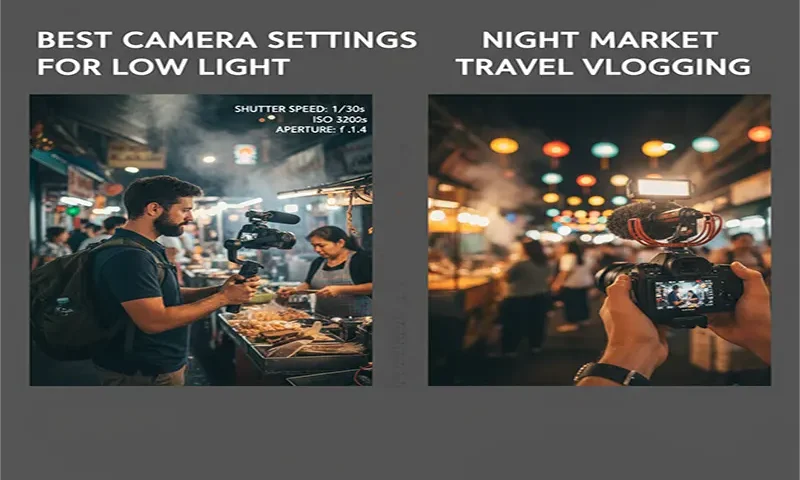
Best camera settings for low light night market travel vlogging

In 2026, the night market is the ultimate proving ground for a travel vlogger. The environment is a chaotic mix of deep shadows and aggressive artificial light from neon signs, hanging LEDs, and gas-burner flames. Capturing this “mood” without your footage looking like a grainy, flickering mess requires moving beyond “Auto” mode.

1. The Exposure Triangle: The Low-Light Hierarchy

When light is scarce, every adjustment comes with a cost. In 2026, the most effective workflow follows the “Aperture First, ISO Last” rule.

The 180-Degree Shutter Rule

For cinematic motion that mimics human vision, your shutter speed should be double your frame rate. In a night market, you want as much light as possible, so stick to the lowest “safe” shutter speed:

  • If shooting at 24fps: Set shutter to 1/50th.
  • If shooting at 30fps: Set shutter to 1/60th.
  • Pro Tip: Avoid high-frame-rate slow motion (like 60fps or 120fps) in
READ MORE -->
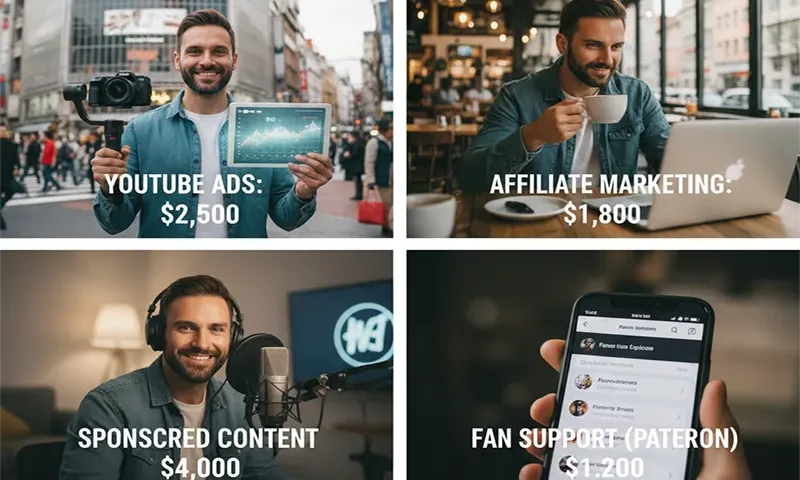
Realistic monthly income of a travel vlogger with 50k subscribers

In 2026, the 50,000-subscriber mark is the “sweet spot” for travel creators. You have enough authority to attract luxury hotels, but you are still “relatable” enough to maintain high engagement. However, the biggest shock for most is that at this level, YouTube AdSense is usually your smallest paycheck.

1. The AdSense Baseline: RPM vs. Reality

In the travel niche, your income is dictated by your RPM (Revenue Per Mille)—how much you earn per 1,000 views after YouTube takes its cut. In 2026, travel RPMs typically sit between $4.00 and $10.00, depending on whether your audience is in “Tier 1” countries (US, UK, Canada) or global.

  • The Math: If a 50k-sub channel averages 300,000 views per month (a mix of new uploads and “evergreen” search content), at an average RPM of $7.00, the AdSense check is roughly $2,100.
  • The Catch: This is purely “maintenance” money. It covers your
READ MORE -->
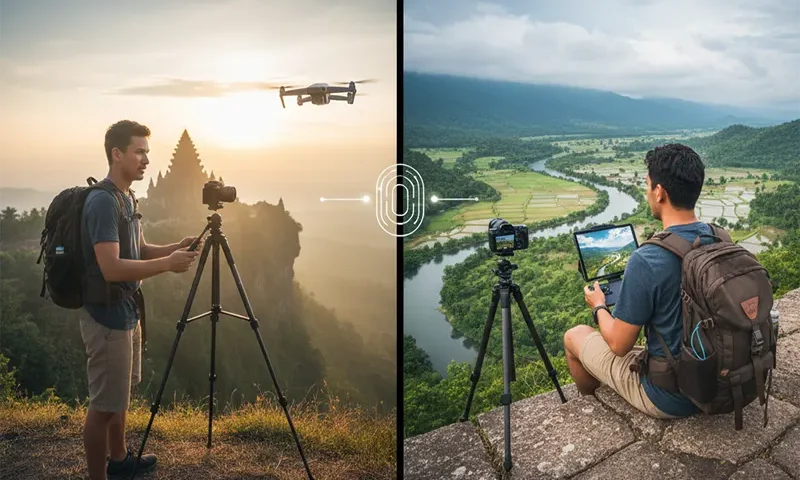
How to film travel vlogs alone with a tripod and drone 2026

In 2026, the solo travel vlogger is no longer just a person with a camera—they are a director, cinematographer, and lead talent rolled into one. Thanks to significant leaps in AI-tracking hardware and autonomous drone flight, the “one-person crew” can now produce footage that previously required a production assistant.

1. The 2026 Solo Toolkit: Smart over Stuffed

The key to solo vlogging is reducing “friction.” In 2026, the best gear is that which thinks for you.

  • The AI-Powered Tripod/Gimbal: Tools like the DJI Osmo Mobile 7P or the Hohem iSteady V3 Ultra have become essential. They feature built-in AI vision sensors that track your face 360° without needing a smartphone app to stay open. For mirrorless users, the DJI RS 4 Mini offers the same intelligence for heavier payloads.
  • The Autonomous Drone: The DJI Mini 5 Pro (or the ultralight DJI Lito X1) is the 2026 gold standard. With
READ MORE -->
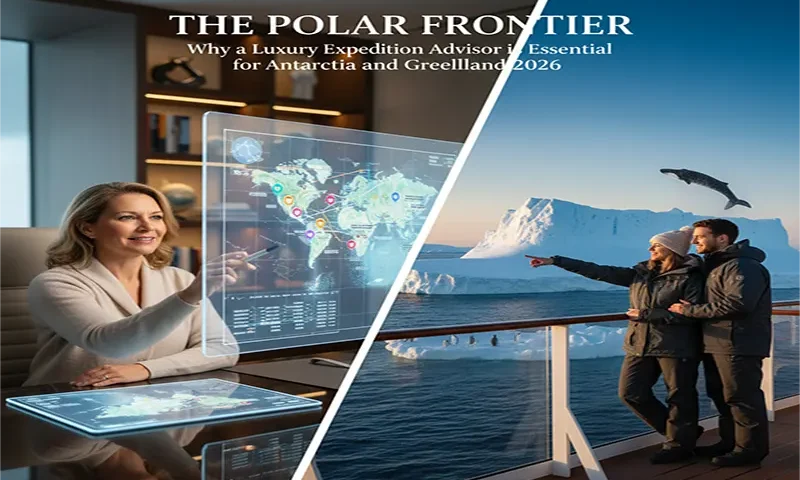
The Polar Frontier: Why a Luxury Expedition Advisor is Essential for Antarctica and Greenland 2026

As we move into 2026, the concept of the “Coolcation” has evolved from a niche trend into the ultimate status symbol for the discerning traveler. While the Mediterranean and Caribbean remain classics, the true frontier of luxury has shifted to the world’s most extreme latitudes: Antarctica and Greenland.

However, with a record number of new “Discovery Yachts” entering the water and environmental regulations tightening, navigating a polar booking is no longer a simple transaction. In 2026, a luxury expedition advisor is your most critical piece of equipment—acting as a technical consultant, permit navigator, and curator of the impossible.

1. The Hardware Paradox: PC6 vs. Boutique Luxury

In 2026, the polar fleet is more diverse than ever. On one end, you have ships like the Scenic Eclipse II and Seabourn Pursuit, which offer a 1:1 guest-to-staff ratio and “yacht-like” intimacy. On the other, vessels like the National Geographic EnduranceREAD MORE -->