
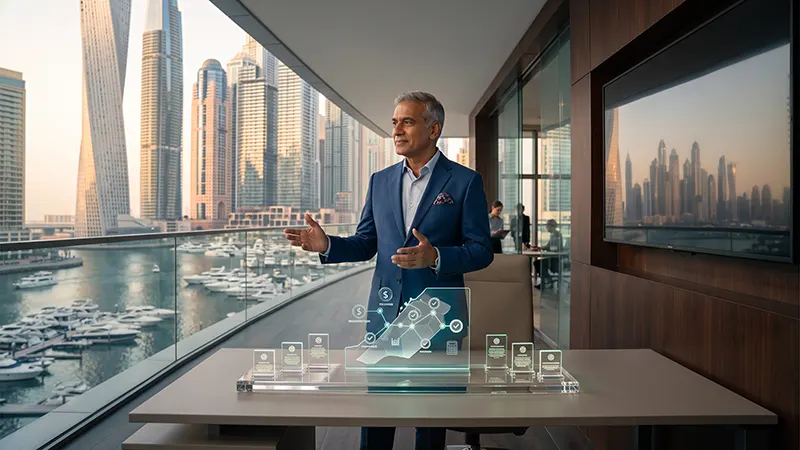
Top Finance Tips Business Setup In Dubai Free Zone
When planning a Business Setup In Dubai Free Zone, financial foresight is not just advisable; it’s essential. The emirate offers a vibrant ecosystem for entrepreneurs and established companies alike, particularly within its numerous free zones designed to foster growth and innovation. However, a successful venture hinges on astute financial management from the outset. Understanding the unique financial landscape of Dubai’s free zones can significantly impact your company’s long-term viability and profitability. These tips aim to provide a practical framework for managing your finances effectively, ensuring a smooth and prosperous journey in one of the world’s most dynamic business environments. The initial capital outlay, operational expenses, and regulatory compliance all demand careful attention to detail for any new enterprise.
Strategic Financial Planning for Business Setup In Dubai Free Zone
Effective financial planning begins long before your business officially launches. It involves a detailed breakdown of all anticipated costs, from company … READ MORE -->

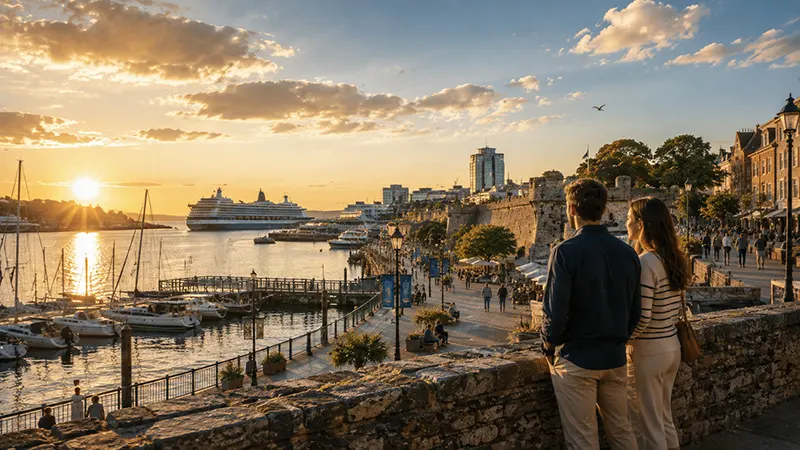
Why Southampton Deserves a Place on Your UK Weekend Break List
When planning a weekend away in the UK, it’s easy to return to the same familiar destinations.
London, York, Edinburgh, Bath and Oxford all attract huge numbers of short-break visitors, and with good reason. But sometimes the most enjoyable weekends come from choosing somewhere you haven’t already visited several times.
Southampton deserves to be considered.
Known internationally for its cruise port, the Hampshire city is often treated as somewhere people travel through rather than somewhere they travel to. Look beyond the terminals, however, and you’ll find a destination combining centuries of history, excellent shopping, restaurants, entertainment and easy access to the countryside.
For a two or three-night UK break, that combination has plenty to offer.
Southampton Is More Than Its Port
Southampton’s relationship with the sea is impossible to separate from the city’s identity.
It remains one of the world’s most important cruise destinations, with huge passenger ships regularly arriving … READ MORE -->
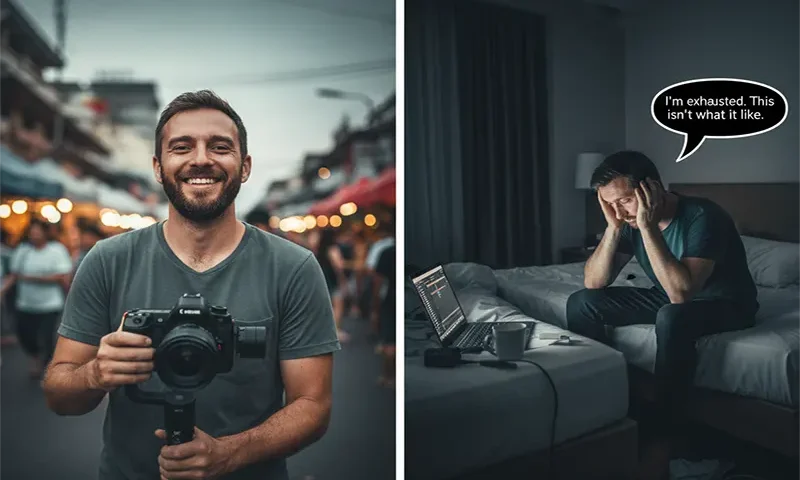
Unfiltered travel vlogger stories about burnout and mental health
In 2026, the travel vlogging industry has reached its “Great Recalibration.” After a decade of the “hustle-and-wander” culture, the gold-leafed frame has cracked. We are seeing a surge of high-profile creators “going dark” or pivoting to “Slow-mading” as the psychological cost of living for the lens becomes too heavy to ignore.
1. The Performance Paradox: Smiling Through the Static
In 2026, the primary source of burnout isn’t the travel itself—it’s the “Performance Paradox.” This is the exhausting cognitive dissonance of projecting high-energy, “life-is-perfect” vibes while experiencing a panic attack or deep isolation behind the camera.
- The Hollow Sunset: One veteran solo vlogger recently shared, “I was standing on a cliff in Madeira with the most beautiful sunset I’d ever seen, and all I could think about was that my battery was at 4% and I hadn’t captured a wide shot yet. I wasn’t at the cliff; I was in a
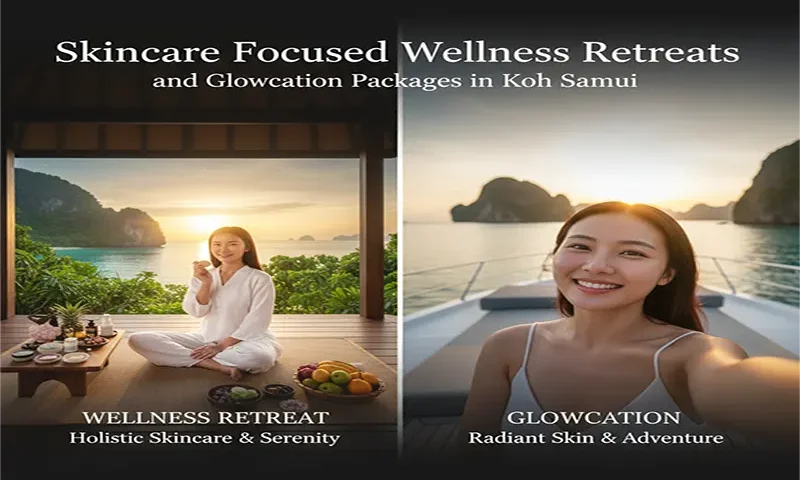
Skincare focused wellness retreats and glowcation packages in koh samui
In 2026, the wellness world has evolved beyond the general “spa day.” We are now in the era of the “Glowcation”—a travel trend where skin health is the primary destination. Koh Samui, with its coconut-fringed shores and world-renowned healing sanctuaries, has become the global capital for these skincare-centric retreats.
1. The Longevity House: Kamalaya Koh Samui
Kamalaya has long been a sanctuary for holistic healing, but in 2026, it has taken skin health into the realm of cellular biology with the launch of its Longevity House.
- The “Radiant Bliss” Protocol: This 8- to 21-night program focuses on “inside-out” beauty. It starts with a Body Bio-impedance Analysis (BIA) to measure cellular vitality and toxicity.
- 2026 Innovations: Kamalaya now integrates medical-grade IV Vitamin Infusions (specifically the “Rejuvenate & Glow” blend) and Ozone Therapy to increase tissue oxygenation. By oxygenating the blood, the skin’s regenerative abilities are reset, resulting in a
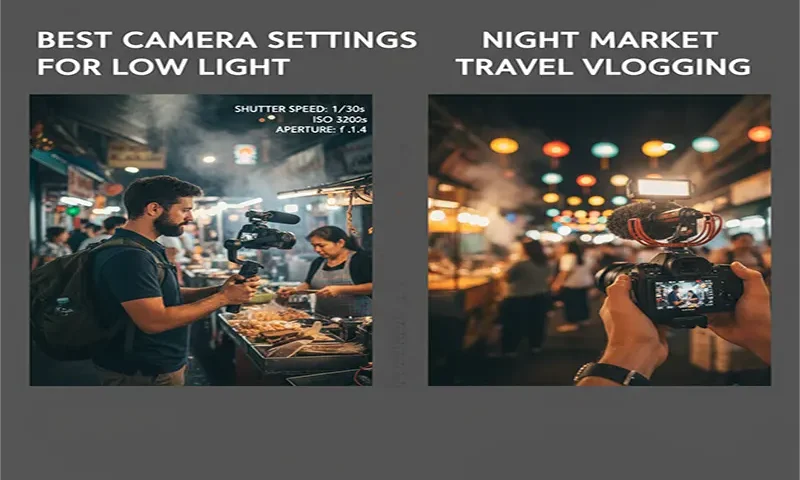
Best camera settings for low light night market travel vlogging
In 2026, the night market is the ultimate proving ground for a travel vlogger. The environment is a chaotic mix of deep shadows and aggressive artificial light from neon signs, hanging LEDs, and gas-burner flames. Capturing this “mood” without your footage looking like a grainy, flickering mess requires moving beyond “Auto” mode.
1. The Exposure Triangle: The Low-Light Hierarchy
When light is scarce, every adjustment comes with a cost. In 2026, the most effective workflow follows the “Aperture First, ISO Last” rule.
The 180-Degree Shutter Rule
For cinematic motion that mimics human vision, your shutter speed should be double your frame rate. In a night market, you want as much light as possible, so stick to the lowest “safe” shutter speed:
- If shooting at 24fps: Set shutter to 1/50th.
- If shooting at 30fps: Set shutter to 1/60th.
- Pro Tip: Avoid high-frame-rate slow motion (like 60fps or 120fps) in